

Enjoy
30% Off
How It Works:
Simply get your neighbours involved — once 3 bookings are confirmed for the same area, the discounted rate is automatically applied. It’s a great way to save while keeping your ventilation system in top condition. Book together and save! (each household receives a 30% discount.
MEV / MVHR Servicing & Maintenance — Group Booking Discount
Group pricing breakdown. These group packages already have the 30% discount included in the price shown (before VAT is added)
| Service Type | Standard Price | Group Price (3+) |
|---|---|---|
| MEV Servicing & Maintenance | €220.00 ex. VAT | €154.00 ex. VAT |
| VAT 13.5% | €29.70 | €20.79 |
| Total per household | €249.70 | €174.79 ≈ €175 |
| Service Type | Standard Price | Group Price (3+) |
|---|---|---|
| MVHR Servicing & Maintenance | €250.00 ex. VAT | €175.00 ex. VAT |
| VAT 13.5% | €33.75 | €23.63 |
| Total per household | €283.75 | €198.63 |
Professional Ventilation Cleaning & Servicing in Ireland
Clean ventilation is not optional in modern Irish homes. Dust, moisture and imbalance build up silently — reducing airflow, increasing noise, and shortening system lifespan.
Eco Vent provides professional ventilation cleaning and servicing across Ireland, covering MVHR, MEV and DCV systems. We restore airflow, clean critical components, and ensure your system continues to meet Irish performance and compliance standards.
Ventilation cleaning. Ventilation servicing. Ventilation maintenance — done properly, not cosmetically.
Table of Contents
Why Regular Ventilation Servicing Matters
Without professional ventilation servicing:
In airtight Irish homes, ventilation maintenance is essential to prevent condensation, mould growth and long-term damage.
Benefits of professional ventilation cleaning and maintenance
A scheduled ventilation service delivers measurable benefits:
In airtight Irish homes, ventilation maintenance is essential to prevent condensation, mould growth and long-term damage.
Pick Your Ventilation Service Package
Select MEV/DCV or MVHR servicing below and book online.
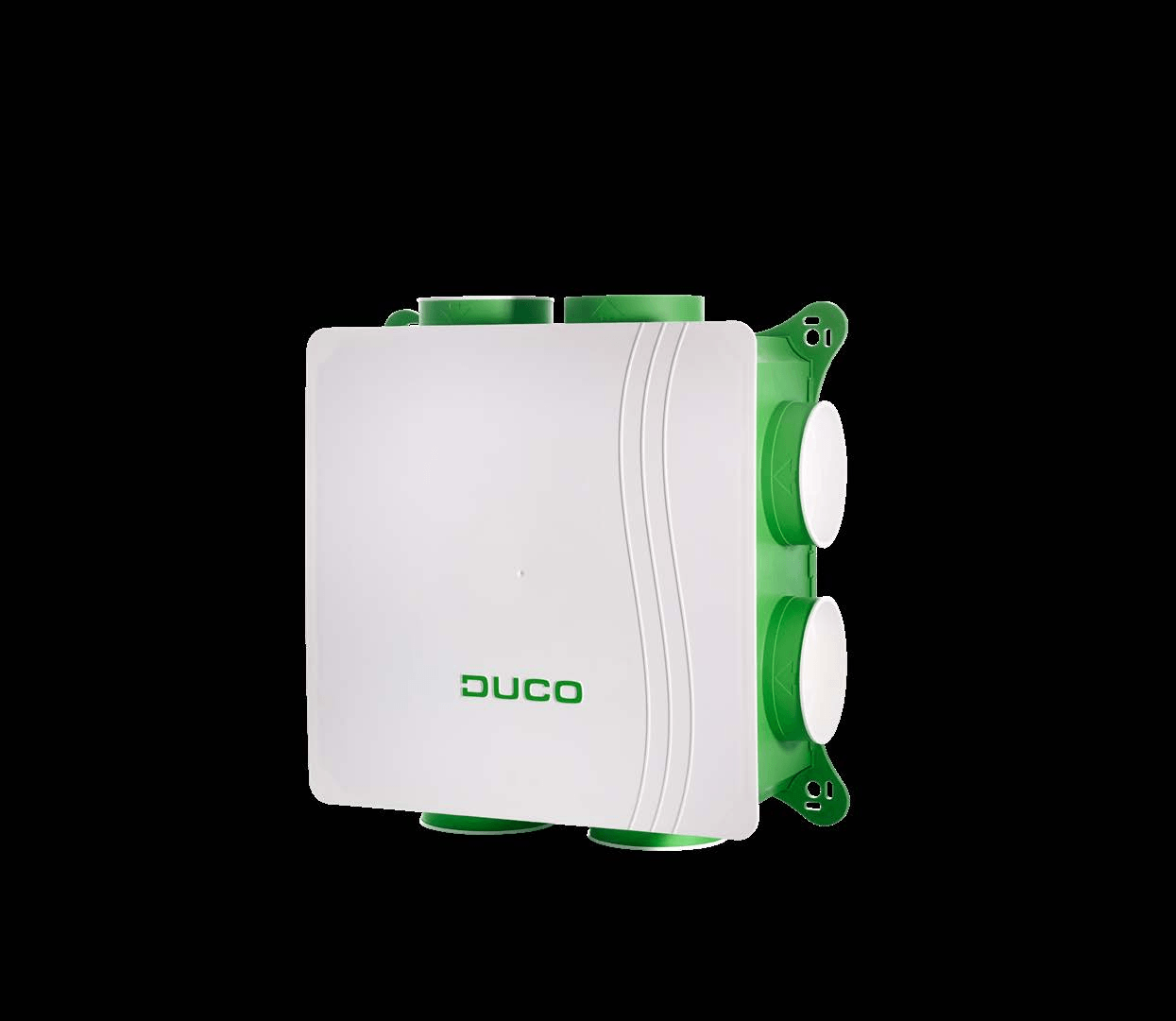
MEV / DCV Servicing (Deep Service)
Cleaning of internal components (fan)
Cleaning and disinfection of air valves
Performance report with recommendation
Error code diagnostics (if any)
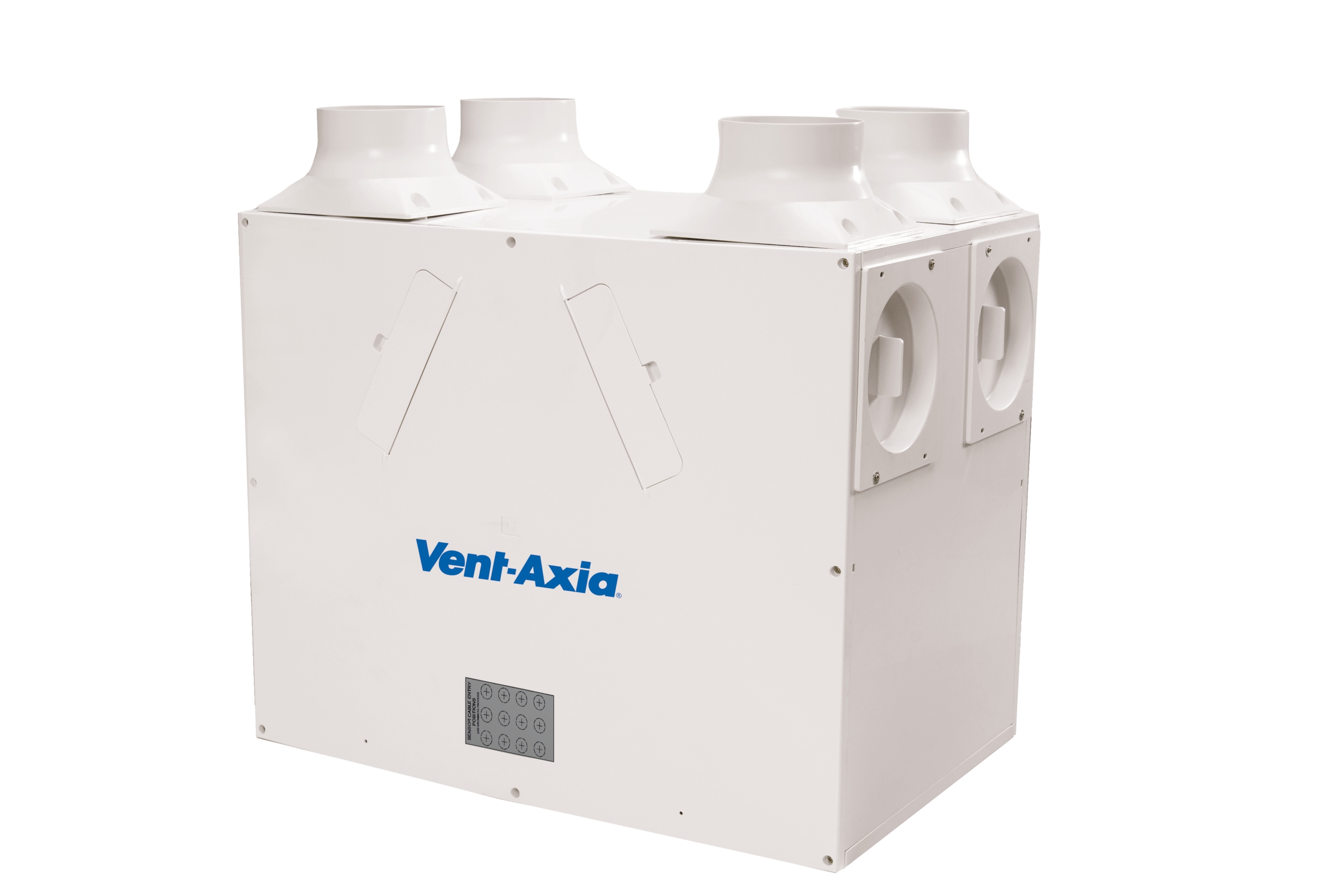
MVHR Servicing (Full)
Cleaning and disinfection of air valves
Performance report with recommendation
Error code diagnostics (if any)
Filters (optional): Filters are not included as standard. If you want us to supply filters, please add “MVHR Filter Replacement (Supply & Fit)” during booking. We will confirm compatibility before ordering.

Not sure which ventilation system you have in your home?
Many homeowners are unsure whether they have MVHR, MEV or DCV — and that’s completely normal.
We’ve created a technical knowledge guide explaining:
- the differences between MVHR, MEV and DCV
- what professional ventilation servicing actually includes
- why cleaning fans and heat exchangers matters

Why Choose Eco Vent for Ventilation Servicing
Vent Axia Servicing Ireland & Other Brands
Eco Vent provides Vent Axia servicing across Ireland, as well as maintenance for other HARP-listed manufacturers.
We regularly service:
- Vent-Axia
- Zehnder
- Domus
- Nuaire
- and other leading MVHR / MEV systems
All cleaning follows manufacturer-approved procedures to protect components and warranties.
Compliance With Irish Standards
All work adheres to:
- TGD Part F (2019 / 2025) – mechanical systems must remain validated and balanced.
- TGD Part L (2019 / 2023) – links energy efficiency to ventilation performance.
- S.R. 54:2014 /A2:2022 – retrofit and workmanship code.
- NSAI Ventilation Validation Scheme (Rev 8, 2025) – national competency standard.
- I.S. EN 14134:2019 – airflow testing procedure.
By following these frameworks, Eco Vent ensures every serviced ventilation duct and component meets Irish regulatory expectations.
10 Proven Steps for Home Vent Cleaning (MVHR System)
1) Online Pre-Check
Before the visit, we confirm your ventilation system type — for example, Vent Axia, Zehnder, Komfovent, Domus or other brands. We collect key details such as installation date, duct layout, and filter type.
You’ll receive a short pre-service checklist to help us prepare for the inspection. As a result, we arrive ready with the correct tools, filters, and documentation.
2) Safety and Inspection
Upon arrival, our technician isolates power and confirms that the unit is safe to service. We check all electrical connections, cable runs, and mounting points.
Next, we examine every ventilation duct for loose joints, crushed sections, or missing insulation. In MVHR systems, we ensure warm-air ducts are insulated properly.
Additionally, we test the condensate drain for correct trapping and flow. We also inspect silencers, plenum boxes, and air valves for wear, ensuring nothing restricts airflow.
3) Filter Replace and Core Component Cleaning
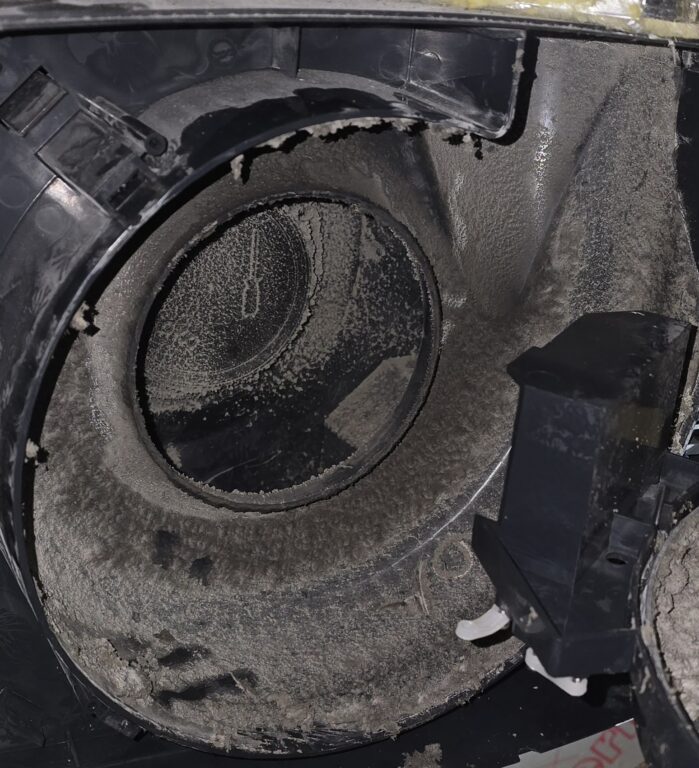
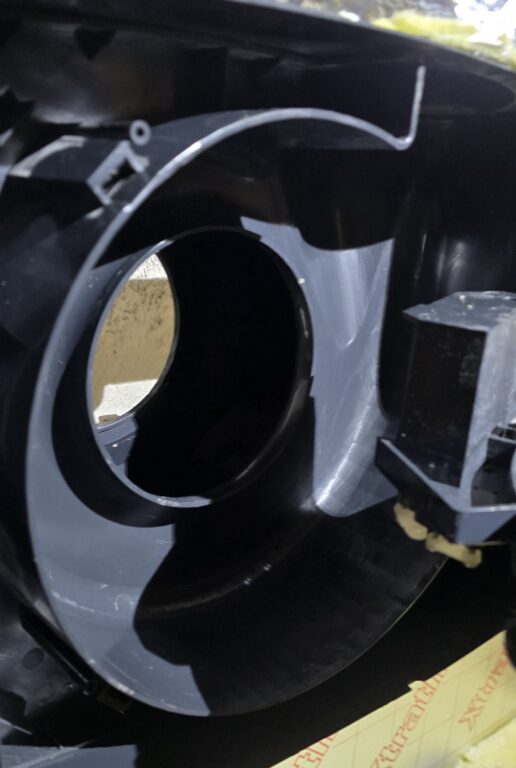
We remove and replace/clean filters (as applicable). We clean the unit internally, including key components such as fans and accessible sections, using manufacturer-safe methods.
4) Heat Exchanger Cleaning
We always clean the heat exchanger according to the manufacturer’s guidelines. To protect delicate coatings, we use only non-harmful, approved cleaning agents, soft brush and rinse with clean water to remove all residues.
After cleaning, we position a portable fan to direct airflow onto the heat exchanger. This method accelerates drying and ensures the component is reinstalled following best practice. The drying phase typically takes a few hours.
5) Supply & Extract Points (Valves / Grilles)
We inspect and clean accessible supply and extract vents/valves, check for blockages, and confirm they are correctly positioned and not restricted by paint, dust, or poor placement.
6) Airflow and Functional Testing
Once cleaning is complete, we measure airflows at every grille using calibrated instruments. We compare readings with design data and adjust dampers for balance.
Furthermore, we test all speed settings — trickle, normal, and boost — to confirm smooth transitions.
7) Diagnostics & Control Settings
We check the controller settings and operating modes (normal/boost/timers/summer bypass where applicable). If the unit shows faults or unusual behaviour, we carry out basic error diagnostics and advise on repair steps if required.
8) Indoor Air Quality Snapshot (Optional but Recommended)
We take a practical IAQ snapshot (typically CO₂, VOCs, relative humidity (RH) and temperature) to show what your home air looks like today and what improvements to expect from correct ventilation.
9) Service Report & Recommendations
You receive a clear summary: what we found, what we cleaned/adjusted, measured airflow results, and recommendations (filters schedule, settings, upgrades, or repairs).


Book Your Ventilation Servicing Today
Ventilation Maintenance and Servicing FAQ
Keeping your mechanical ventilation system maintained ensures healthy air, lower running costs, and long-term reliability. The answers below address the most common questions Irish homeowners and builders ask about servicing, cleaning, and system maintenance.
How often should filters be replaced?
Most manufacturers recommend replacing MVHR filters every 12 months. However, in urban, coastal, or dusty environments, they may require more frequent replacement to maintain correct airflow. Regular filter changes protect the fans and heat exchanger from clogging and help maintain clean indoor air.
How often should the ventilation system be serviced?
A full mechanical ventilation service is typically required every 1–2 years for mvhr units, depending on usage and system type. This includes cleaning key components, airflow checks, sensor inspection, and confirming the system still meets expected performance. MEV units every 3 -5 years.
Always check your unit’s manual and follow the manufacturer’s servicing instructions, as service intervals and approved cleaning methods can vary by model.
What are the benefits of regular Ventilation Servicing?
Routine servicing delivers several measurable benefits. Firstly, it improves indoor air quality by restoring correct airflow. Additionally, it prevents breakdowns by addressing fan imbalance, or failing sensors early. As a result, the system operates quietly, runs efficiently, and remains compliant with Technical Guidance Document (TGD) Part F airflow requirements.
How often should ductwork be cleaned?
For most homes, ventilation ductwork should be professionally cleaned every 5–7 years.
However, more frequent cleaning—around 3–5 years—may be beneficial in homes with:
- Pets
- Ongoing renovations
- High indoor dust levels
- Occupants with allergies or asthma
If you notice reduced airflow, dust around vents, or unusual odours, it is advisable to arrange an inspection sooner.
What factors affect the cost of Ventilation Service?
Service pricing varies by system type and condition. Key factors include:
- MVHR, MEV / DCV configuration
- Number of supply and extract terminals
- Accessibility of the unit and ductwork
- Quality of original installation
- Availability of design drawings or commissioning data
- Airflow balancing requirements
If any additional work or replacement parts are required, the engineer will always discuss options in advance.
How long does a full Ventilation Service take?
A standard domestic MVHR or MEV/DCV service usually takes around 3 – 3.5 hours
Do you offer Vent-Axia Servicing in Ireland?
Yes. Eco Vent provides Vent-Axia servicing across Ireland, following manufacturer-approved procedures. We also maintain systems from Zehnder, Domus, Nuaire, and other leading MVHR brands.
Curious which components fail most often when a system is neglected
— and what the warning signs look like?