
Ventilation Pipes Covers – Professional Drylining Solutions
Exposed ventilation ducts can disrupt the look of a finished home or commercial space. Moreover, poorly built enclosures can reduce ventilation performance, compromise fire safety, and increase noise transmission. At Eco Vent, we provide expert ventilation duct covers built using professional drylining techniques that deliver a clean, modern finish without affecting system performance. Additionally, all installations follow Irish Building Regulations, including TGD Parts B, F, and L. Whether you need simple boxing, fire-rated duct enclosures, or decorative architectural covers, we offer a precise, compliant, and visually smooth result every time.
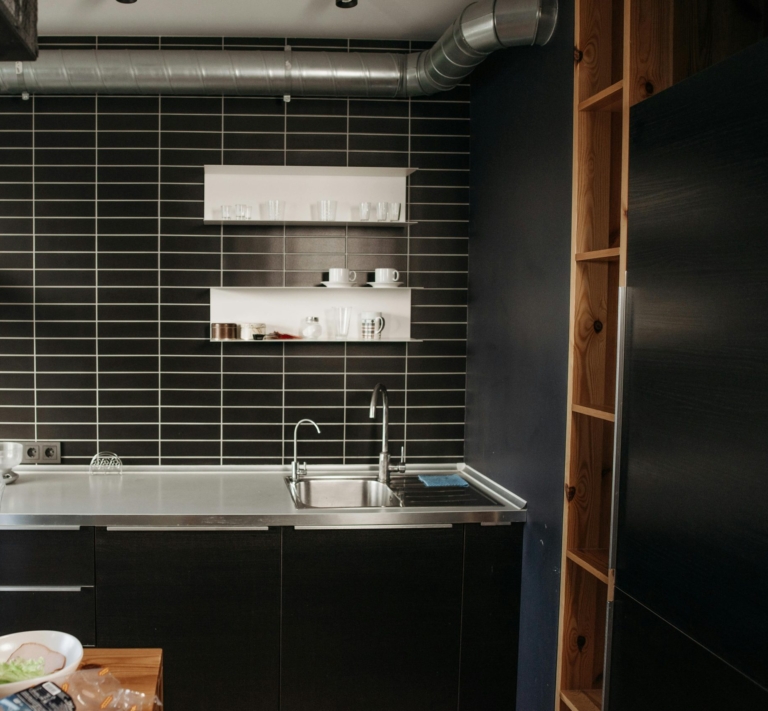
What Are Pipes Covers?
Pipe covers—also referred to as duct enclosures, pipe wall covers, plumbing pipe covers, or bulkhead ceilings used to box in piping—are structures designed to conceal mechanical ventilation ducts and plumbing pipes while still allowing access, maintaining airflow performance, and meeting fire-safety requirements. Typically built using drylining methods such as metal stud framing, plasterboard lining, and skim finishing, these covers create a smooth, seamless appearance that integrates cleanly with surrounding walls and ceilings.
Pipe Wall Covers and Box-In Piping Solutions for Concealing Plumbing Pipes
Homeowners and builders often box in piping to hide exposed plumbing pipes, improve the visual appearance of interior spaces, and enhance acoustic comfort by reducing noise from water flow. This approach also supports compliance with TGD Part B (Fire Safety) and helps maintain a cleaner, more organised layout, especially in areas where plumbing routes intersect with living spaces.
Bulkhead Ceilings for Ductwork Integration
Bulkhead ceilings are commonly used to conceal ductwork running through hallways, living rooms, kitchens, and other exposed areas where a neat, decorative, or fully concealed finish is required. They create a clean architectural feature that hides ventilation ducts while still allowing access for servicing, making them ideal for MVHR, MEV, and DCV systems.
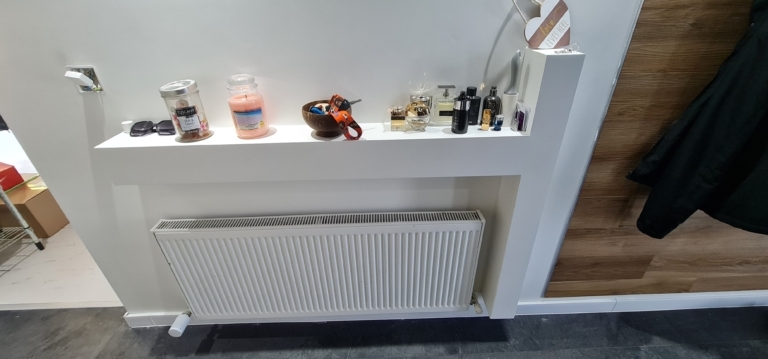
Types of Pipe Covers We Install
1. Box in piping Method
This is the most common approach for plumbing pipes covers. It involves building a complete metal stud frame around the duct and covering it with plasterboard. The result provides strong fire performance, excellent acoustic properties and a clean rectangular finish.
Learn more → How-To Guide Article
2. Bulkhead Ceilings
Ideal for long duct runs at ceiling level, bulkhead ceilings seamlessly merge the duct enclosure with the existing ceiling line. Additionally, this method is perfect for apartments and new builds where visual simplicity is essential.
Learn more → Design Ideas Article
3. Decorative Panels (Removable Access Covers)
For clients prioritising aesthetics or requiring frequent access, we install decorative pipe covers using removable MDF, timber panels or custom-finished boards. These suit feature walls and architectural designs.
Learn more → Decorative Pipe Covers Blog
4. Fire-Rated Enclosures
When ducts run through protected corridors, escape routes or multi-unit dwellings, fire-rated pipe covers are essential. We use fire-resistant boards, intumescent sealants and double-layer systems tested to Irish regulations.
Learn more → Technical Requirements Article
Why Choose Eco Vent?
Pipe Wall Covers Gallery
Browse our gallery to see how to cover ductwork using modern finishing methods — drylining and plastering


Our Pipes Cover process
Consultation & Site Survey
We begin with a detailed inspection of the ventilation duct route, surrounding structure, and fire compartmentation zones. Additionally, we confirm required access points and measure available space for framing.
Design & Planning
We design the framing layout, choose appropriate plasterboard (standard or fire-rated), and ensure the enclosure aligns with TGD Part B and manufacturer guidelines such as Gyproc. Moreover, we verify clearances to maintain ventilation duct performance per TGD Part F.
Professional Drylining Installation
Our team installs U-Track and C-Stud framing, acoustic mineral wool where needed, and the first and second layer of plasterboard. All joints are sealed, aligned, and prepared for finishing.
Finishing & Quality Check
We skim, sand, and quality-check every surface to achieve a crisp, paint-ready finish. Additionally, we install access hatches where required for maintenance or commissioning.


Bulkhead Ceilings
Bulkhead ceilings create a clean, seamless way to conceal ductwork along ceiling lines while maintaining full system performance. If you want to see how this solution looks in real projects, browse the gallery above for examples of finished bulkheads ceilings in homes and apartments across Ireland.
FAQ
Do I need fire-rated materials?
Yes. Fire-rated materials are required in escape routes, protected corridors, communal areas, and multi-unit residential buildings. In these locations, ductwork, enclosures, and penetrations must maintain the required fire-resistance period in line with TGD Part B of the Irish Building Regulations.
What clearances are required between ductwork and the boxing structure?
Maintain at least 50 mm clearance between the ductwork and the boxing framework. This space allows for thermal expansion, reduces vibration transfer, and prevents moisture or condensation from bridging to the structure. Insulated ducts may require additional clearance depending on thickness and manufacturer guidance.
What are the fire-stopping requirements when ducts pass through compartment walls or floors?
Any ductwork penetration through a fire-rated compartment wall or floor must be fully fire-stopped using certified products such as intumescent collars, wraps, mastic systems, or fire-rated ductwork assemblies. The fire-stopping method used must maintain the original fire-resistance rating of the barrier, as required under TGD Part B. This applies to both residential and multi-unit dwellings.