
Vent cleaning guide for Irish homes: MVHR & MEV warning signs, safe checks, and service intervals
Table of Contents
Vent Cleaning: What This Page Covers
This page (and the vent cleaning content on it) was inspired by the same messages we receive again and again from homeowners: “the unit is noisy,” “airflow feels weaker,” “something isn’t right,” and “can a service fix it?” In many cases, servicing restores performance — but sometimes those first symptoms are already the start of component wear, where cleaning alone won’t be the full answer and repair or replacement may be needed.
This page is intentionally detailed, so you can quickly find what matters to you. Use the Table of Contents on the left to jump to the section you need—especially if you already know your system type or you’re here for one specific answer.
It’s also worth noting that this page is an extended companion to our main service page: Ventilation Cleaning and Servicing. All “book service” links from here will take you to that service page first, and from there you can choose the appropriate booking option or contact route. We know that’s one extra step—sorry about the detour—but it helps us keep the service details in one place and structure the website in a way that supports visibility in Google search (so the right homeowners can actually find the right service).
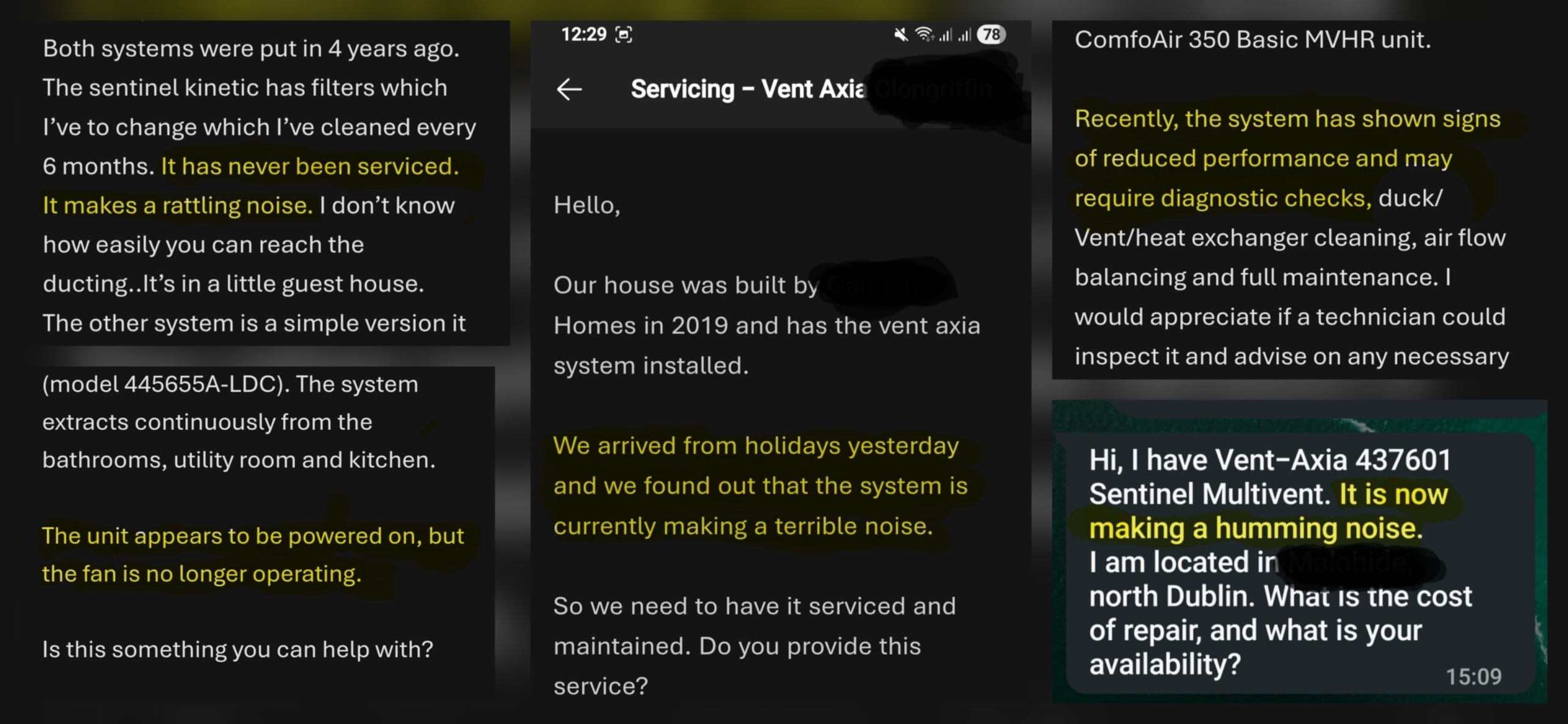
Typical warning signs your ventilation system needs servicing (before it turns into a breakdown)
These signs can appear early — but not always. In some homes, issues build up quietly with little or no obvious symptoms, until one day the system suddenly changes behaviour or fails
Sign 1: Increased condensation on windows
If you see more morning condensation, longer-lasting misting, or frequent wet frames, moisture is staying indoors. Therefore, suspect:
- clogged filters (MVHR),
- reduced fan speed,
- blocked terminals,
- incorrect balance.
Additionally, treat repeated condensation as an early warning, not a “normal winter thing.”
Sign 2: Winter RH stays above 60–65%
Many homes sit around 45–55% RH in winter. Therefore, persistent 60–65%+ suggests under-ventilation, weak extraction, or maintenance issues.
Consequently, check filters first. Then consider an airflow test if RH does not improve.
Sign 3: Stuffy or stale rooms
If rooms feel heavy or odours linger, extraction is likely reduced. Therefore, check:
- boost performance,
- valve obstructions,
- transfer routes (door undercuts / grilles),
- filters and controller settings.
Sign 4: The system becomes noisier
Noise often increases when fans work against restriction. Therefore, common causes include:
- blocked filters,
- debris in terminals,
- worn bearings (older units),
- duct restrictions.
Sign 5: Boost mode no longer feels “boost”
Boost should create a noticeable airflow change. However, if it feels weak, the unit may be restricted or unbalanced. Consequently, servicing and commissioning checks usually restore the intended performance faster than repeated user tweaks.
Sign 6: Uneven humidity across the house
If bathrooms stay damp while bedrooms feel stagnant, airflow distribution may be off. Therefore, a balancing visit often fixes comfort far more than changing the unit speed.
Sign 7: Dusty supply valves and faster dust build-up
Dust at supply points can indicate filters issue, poor filter fit, or missed changes. Therefore, treat it as a maintenance flag
Sign 8: Recent renovation or building work
Renovation dust loads filters and can settle in ducts. Consequently, you should inspect and replace filters sooner, and consider a professional service after major works.
Sign 9: Long gaps since the last service
If filters have not been changed in 12+ months, or the system has not been serviced in 1–2 years, plan maintenance. Therefore, you reduce breakdown risk and restore performance.
How to Identify Your Ventilation System (MEV vs MVHR) — and Why It Matters for Professional Vent Cleaning
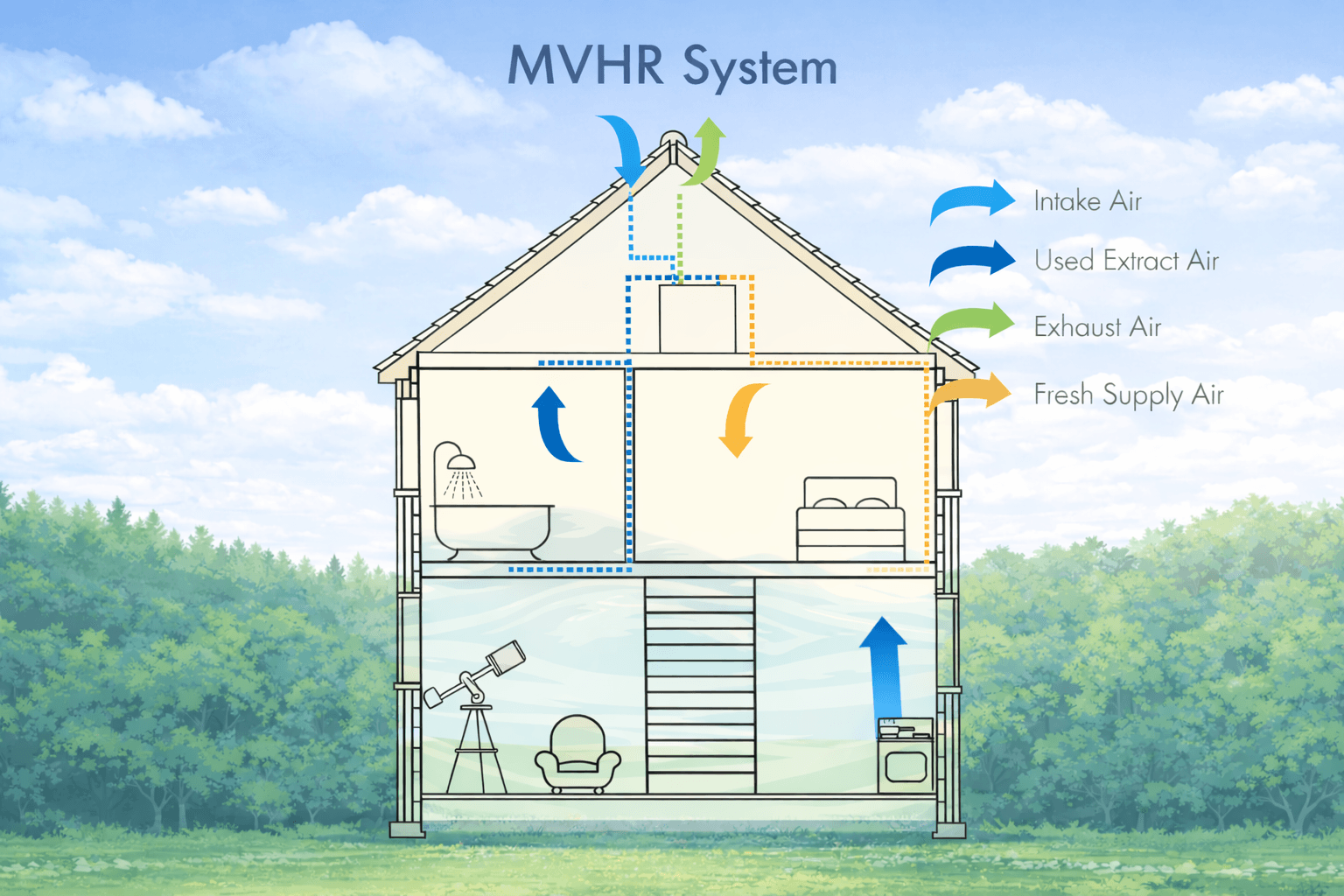
Most homeowners aren’t sure which system they have — and that matters because MEV and MVHR are serviced differently. MVHR units use filters (which protect the fans and heat exchanger), while MEV units typically don’t, so dust can build up directly on the fan components. This quick ID section helps you confirm what’s installed before booking, so Eco Vent can plan the right approach and bring the right parts/tools for a proper vent cleaning visit.
The good news: you can usually identify your system in under a minute without opening the unit.
Quick homeowner check: where are the air valves?

Typical manufacturer guidance for MEV systems
MEV noise problem: early warning sign — or already a sentence?
When homeowners report a new noise from a MEV unit (rattling, humming, vibration), it’s very often not a “warning sign” anymore — it’s the point where bearings are already wearing and the fan is starting to run out of balance.
Honest MEV “maintenance free” claims: the real-world outcome
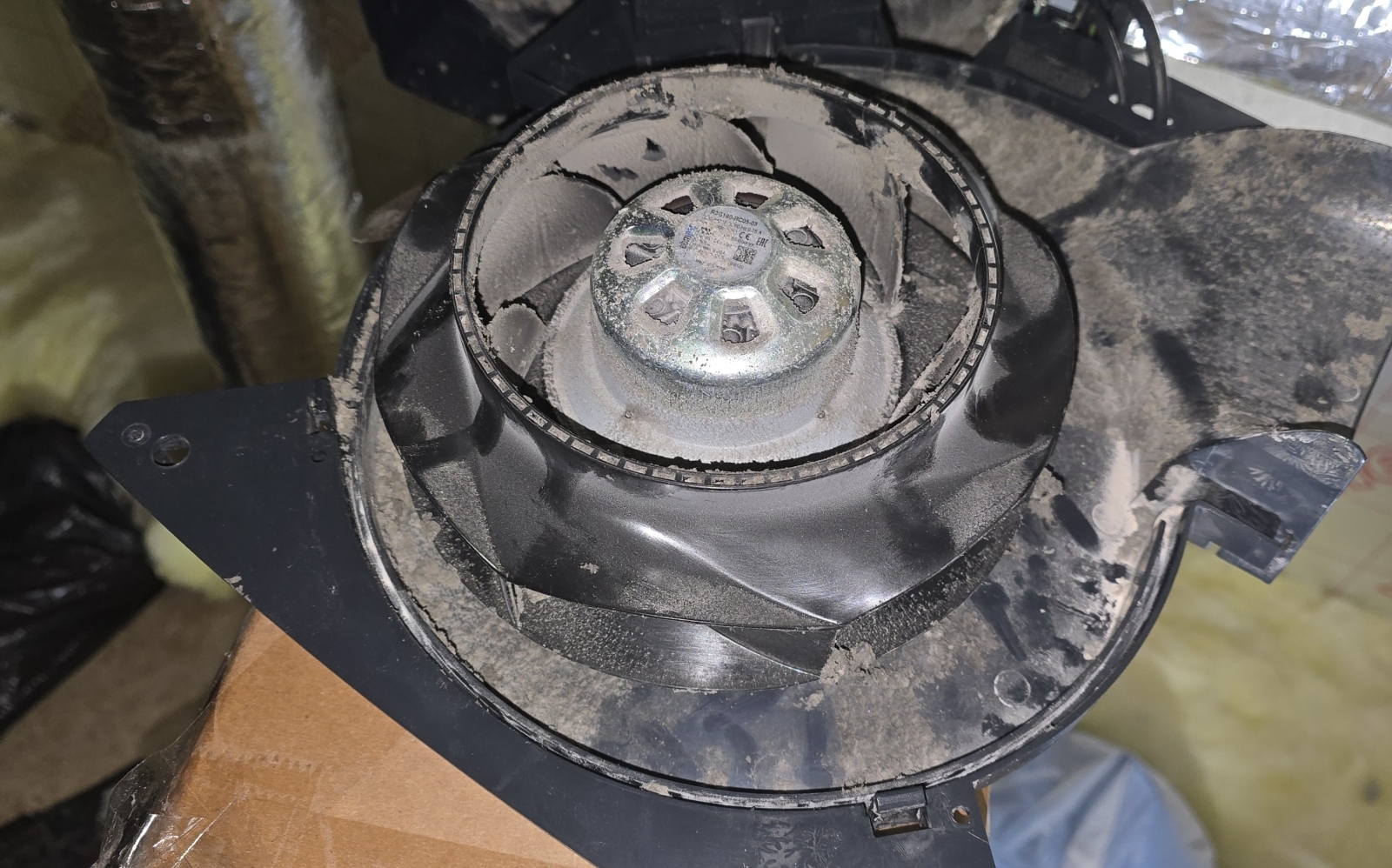
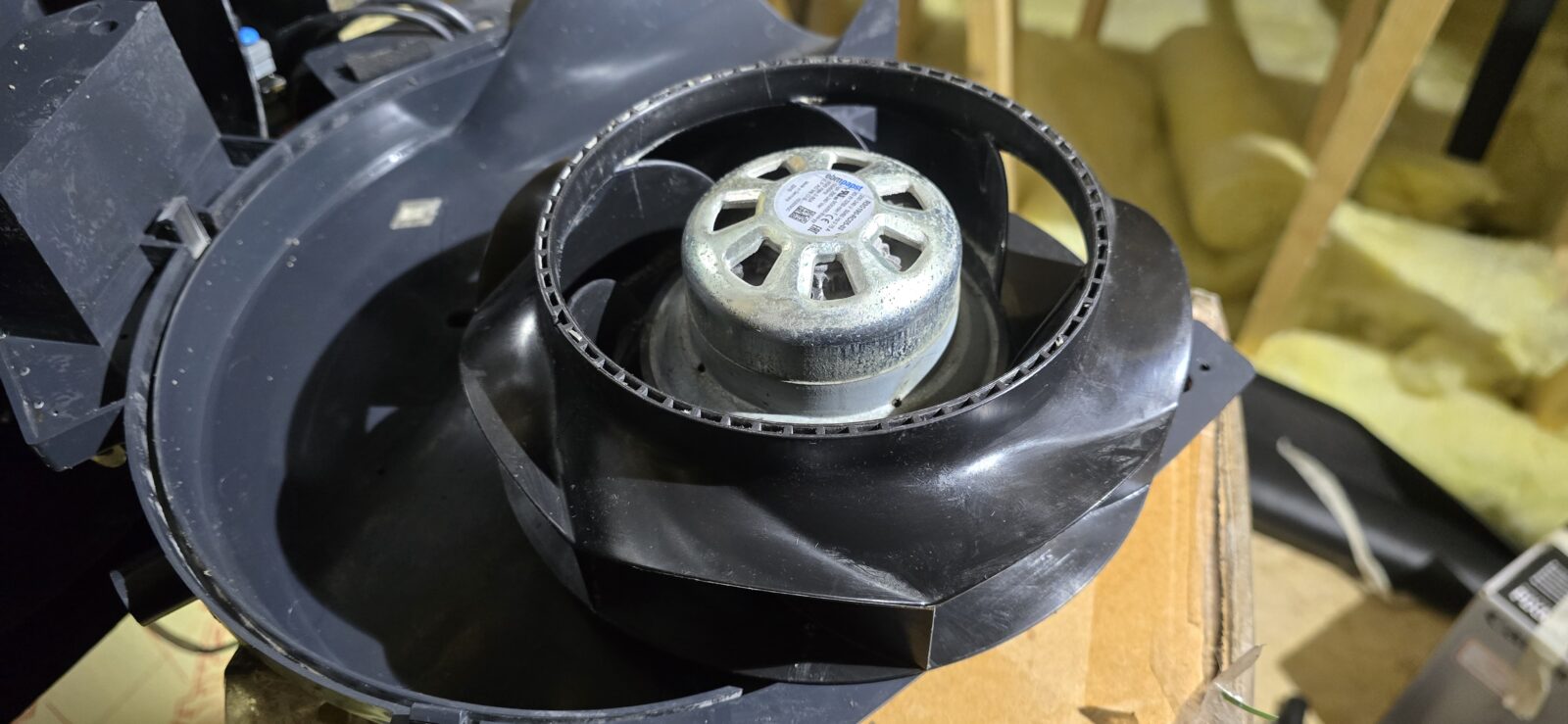
In MEV units (which typically don’t have filters), dust and residue can build up directly on the impeller blades. That extra build-up can throw the fan out of balance, increase vibration, and accelerate bearing wear.
If a MEV has gone 5+ years with no servicing, this type of noise frequently points to bearing wear — and in many cases, the realistic fix becomes unit replacement rather than cleaning alone.
The youngest unit we’ve seen fail this way was a never-serviced MEV at around 5 years old. MVHR units are generally better protected because filters catch a lot of dirt before it reaches the fans — MEV units don’t get that same protection.
Expert: What a proper MEV service should include
A proper service should focus on the real failure drivers. Therefore, the minimum scope should include:
- Internal unit inspection and cleaning
- Terminal cleaning and duct inspection
- Functional checks (boost, controls, noise profile)
Internal unit cleaning: why it takes time (and why rushing is risky)
- A proper internal clean is not a five-minute job. Therefore, depending on access and contamination levels, internal cleaning alone can take around three hours. That time typically includes:
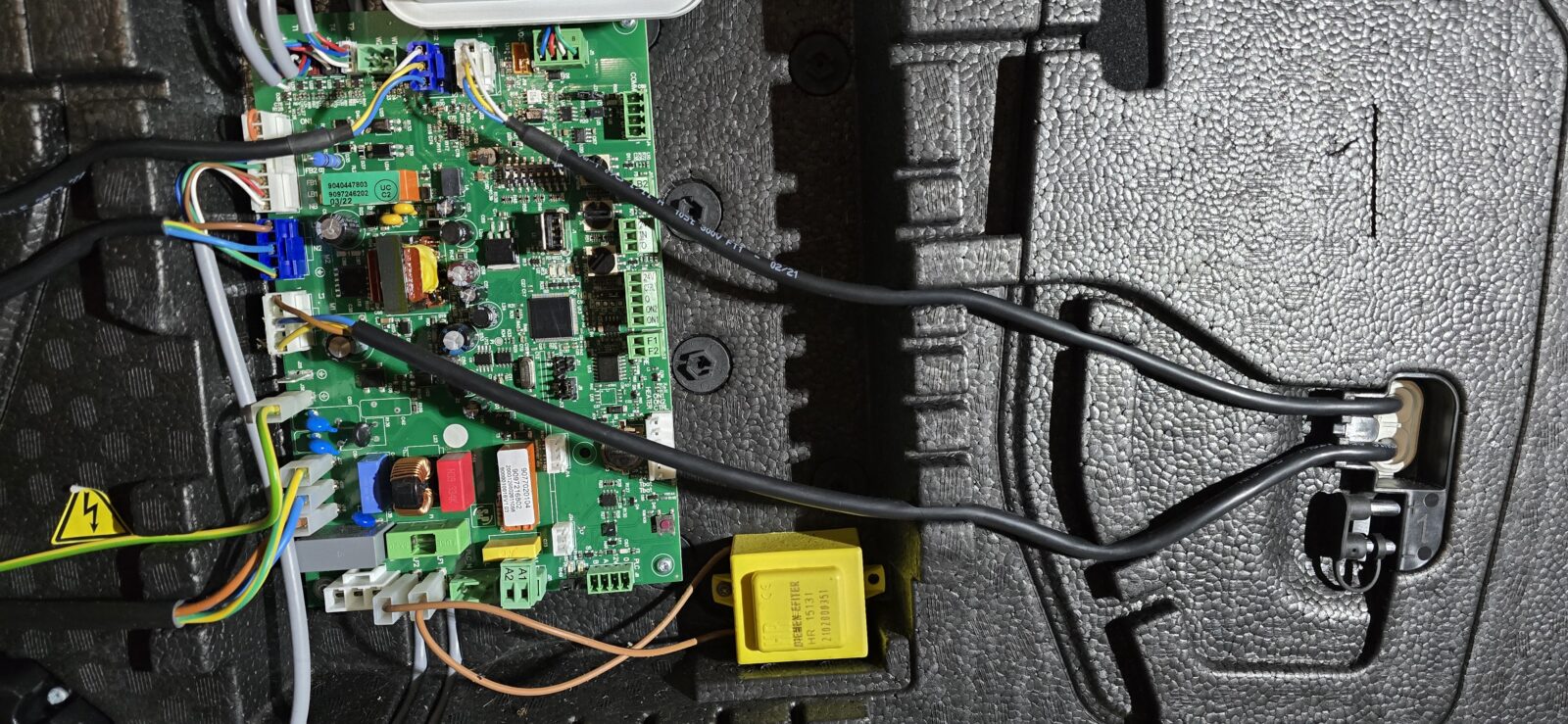
- Safety check first. The unit must be isolated and checked before work starts. Moreover, safe access matters, especially in attic installations.
- Careful disassembly. Components should be removed methodically. Consequently, the risk of damaging seals, fixings, or electrical parts is reduced.
- Dry cleaning: brushing and vacuuming to remove loose dust, lint and debris.
- Damp cleaning: a lightly damp cloth only where appropriate, and only where it can be done safely.
Importantly, electrical components must be protected, so wet cleaning should never be applied indiscriminately. - Drying and careful reassembly
After cleaning, the unit must be dried and reassembled accurately. Therefore, seals and panels must be fitted correctly to prevent leakage paths and future issues.
Vent Cleaning Important disclaimer (please read)
This guide is provided for information purposes only. Therefore, it should not be treated as an instruction to carry out servicing, dismantling, or repairs on a ventilation system.
- Only carry out tasks that the manufacturer explicitly allows (for example, filter removal and replacement where permitted).
- If your skill level is low, if access is unsafe (especially in an attic), or if you are unsure at any stage, book a professional visit instead.
- Eco Vent accepts no liability for damage, faults, injury, or losses that may arise from attempting DIY work, incorrect reassembly, incorrect settings, or unsafe access.
How to Clean Home Ventilation System Filters (MVHR Only)
What You Can Do Yourself To Keep Filters in Good Condition.
If you are looking for how to clean home ventilation system components, start with the safest task: MVHR filter maintenance. However, do this only if your MVHR manufacturer allows filter access for homeowners.
Step 1: Confirm the manufacturer allows filter cleaning
Firstly, check the MVHR manual or manufacturer guidance to confirm that filter removal is permitted. Additionally, prepare a soft brush vacuum attachment and a clean surface for the filter trays.
Step 2: Isolate power and open the unit safely
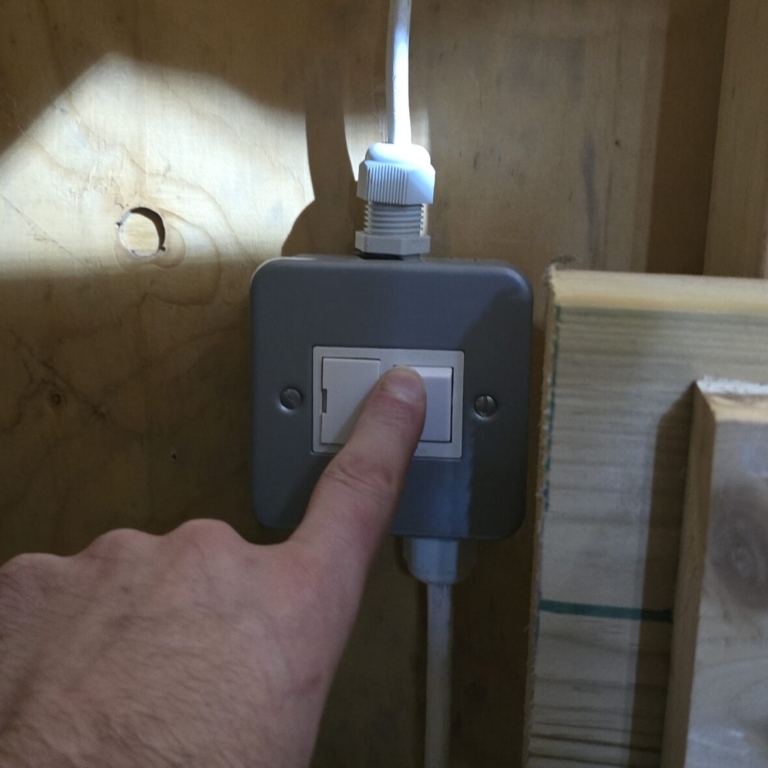
Secondly, isolate power at the local fused spur/isolator before opening the unit. Moreover, if the unit is in an attic, ensure safe access, stable footing, and good lighting.
Step 3: Remove the filter trays and clean the filters gently
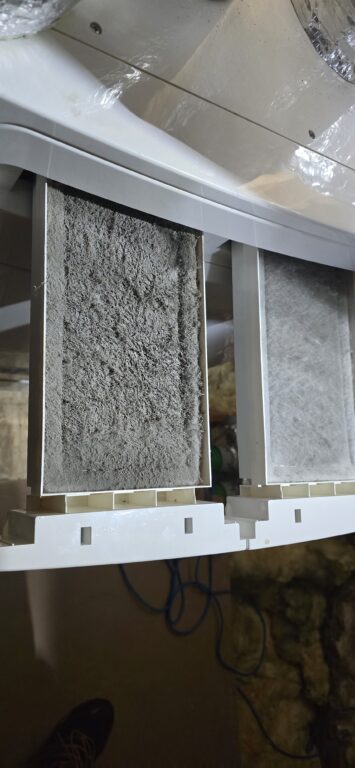
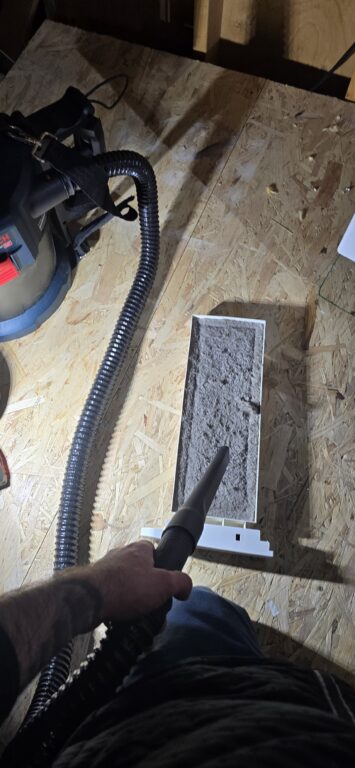
Next, slide out the filter trays carefully and note the orientation. Then vacuum the filters gently to remove surface dust and lint. However, if a filter is torn, deformed, or heavily soiled, replace it instead of trying to “restore” it.
Step 4: Refit perfectly, then restart and listen
Finally, refit everything with precision, because tray seating is critical:
- Ensure the filter sits perfectly inside the tray (no gaps or curling edges).
- Ensure the tray sits perfectly inside the MVHR unit and is fully pushed home.
- If there is a button/switch under the tray, make sure it returns to a neutral (released) position after insertion (it should “spring back” after being pressed).
- After restarting the system, listen carefully. If you hear a whistling sound, it often indicates air bypass around the tray. Therefore, push the trays in more firmly so they seal correctly.
- If the whistle persists, or if anything feels forced or misaligned, stop and arrange a professional visit.
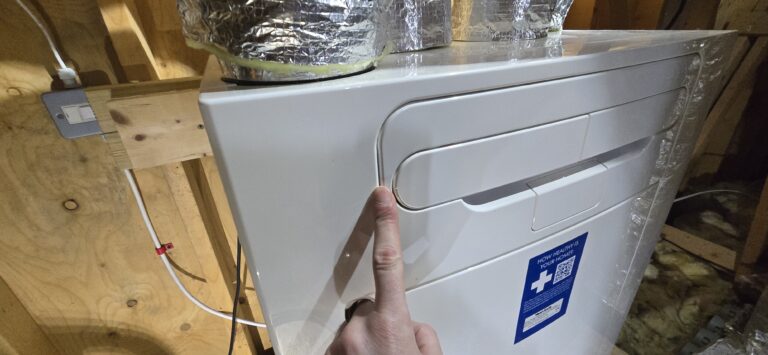
MVHR Heat Exchanger Care (Do Not Clean Aggressively)
MVHR units are sensitive internally. The heat exchanger (heat recovery core) needs careful handling — not aggressive cleaning.
- The heat exchanger can be damaged by harsh chemicals, pressure washing, or rough brushing.
- Always follow the manufacturer’s cleaning method and use only approved, non-damaging products.
MVHR Condensate Drain: Correct Fall and Proper Drain Kit
A working MVHR condensate drain is not optional — it must be installed correctly to avoid leaks, blockages and moisture problems.
- The drain line needs a continuous slope (correct fall) all the way to discharge.
- Use a proper-quality condensate drain kit/components — typically around €100.
- DIY condensate drain setups are very common on site and often fail (wrong fall, poor trapping, leaks, blockages). See our case studies for real examples.
When rebalancing can’t realistically be completed in a single visit
Even with the right tools, rebalancing is not always a “one-day fix”. Therefore, if a system has no proper design data—or if there are installation or design errors—full commissioning and balancing may not be achievable within a single day on site.
For example, if duct runs are undersized, terminals are poorly located, or transfer paths are missing, airflow targets can be impossible to reach without corrective works. Consequently, a professional contractor may need to split the work into stages: diagnosis and cleaning first, then corrective works, and only then final airflow balancing and documentation.
In practice, this approach is safer and more cost-effective than rushing a “quick balance” that does not hold.
Recommended Vent Cleaning and service intervals
As a practical baseline:
- Filters: check and vacuum, then replace as required, every 6–12 months
- MVHR professional service: typically every 1 – 2 years
- MEV professional service: at least every 3 years
- Check sooner if you are renovating, living near a busy road, or seeing fast dust loading
Still Not Sure How To Clean Home Ventilation System ?
FAQ
1. Which components can fail if the system is not serviced?
Lack of maintenance can cause several parts to degrade over time, including:
- Heat exchanger: can clog with dust and debris, reducing heat recovery efficiency.
- Fans: can become noisy, lose performance, or wear prematurely.
- Sensors and controllers: may fail more often when exposed to dust or moisture.
- Ducting and seals: can degrade, leak air, and increase noise transfer.
Because replacing a heat exchanger can be costly, routine cleaning and inspection are strongly recommended.
2. What is the average lifespan of a heat exchanger?
With proper maintenance, most MVHR heat exchangers last around 8–15 years. Lifespan depends on installation quality, how often filters are replaced, and indoor dust levels. Regular servicing helps maintain heat recovery efficiency and reduces the risk of early failure.
3. Are MEV systems really maintenance free?
Usually not in practice. Therefore, even without filters, MEV units can accumulate heavy internal dust and should be serviced—commonly at least every 3 years.
4. Can I just replace an MEV unit like-for-like?
Sometimes, yes. However, airflow still needs measuring and balancing, and the new unit should be re-selected if documentation is missing.
5. What is the average lifespan of a heat exchanger?
With proper maintenance, most MVHR heat exchangers last around 10–15 years. Lifespan depends on installation quality, how often filters are replaced, and indoor dust levels. Regular servicing helps maintain heat recovery efficiency and reduces the risk of early failure.