
Mechanical Ventilation Systems
MVHR unit leaking water? Here is what we find in winter
Water dripping from the unit or from a ceiling vent almost always means condensate that cannot get out. Below are the causes we find on service visits in Ireland, with photos from our own jobs, and what to do today.
Short answer
In winter an MVHR unit makes litres of condensate a day. If the heat exchanger, the drain or the trap is blocked, that water has nowhere to go and ends up on the attic floor or on the ceiling. A proper service, with the heat exchanger taken out and washed, is the fix we see work most often. Not always: a badly fitted drain or a factory defect needs an install fix or a warranty claim, so we ask a few questions before anyone drives out.
Why it happens in winter
Warm, moist air from kitchens and bathrooms meets cold outdoor air inside the heat exchanger. The water vapour condenses on the plates and runs down to the bottom of the unit, into the condensate drain. That is normal and the unit is built for it. From November to March the exchanger collects water every day; on a cold day it can be litres. Anything that slows the water down, dirt on the exchanger, a missing trap, a pipe without fall, shows up as a leak in winter, not in June.
How heat recovery works · Condensation on windows
Six causes we find on service visits
1
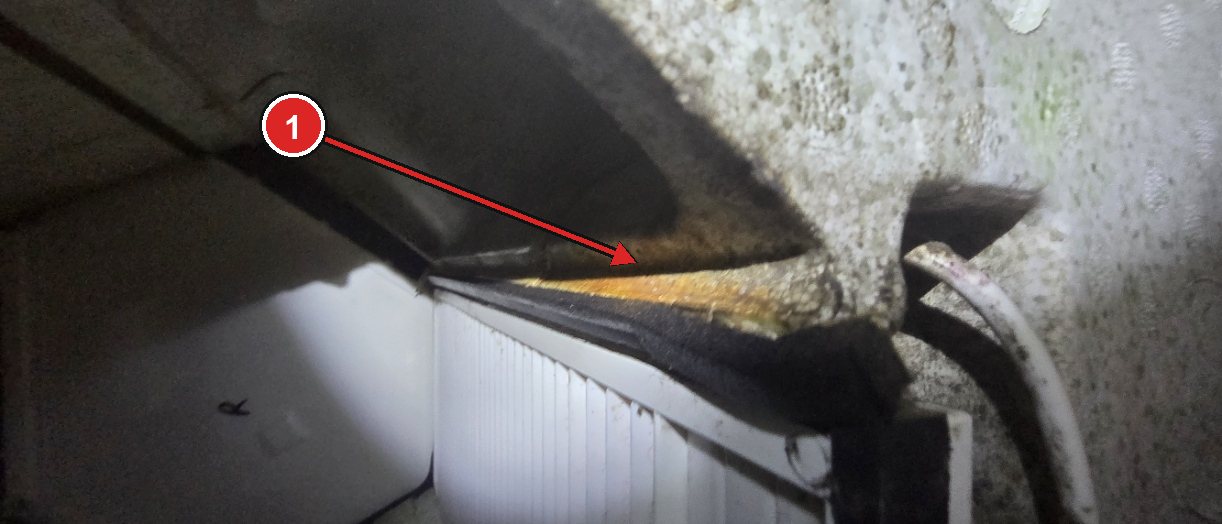
Heat exchanger never washed
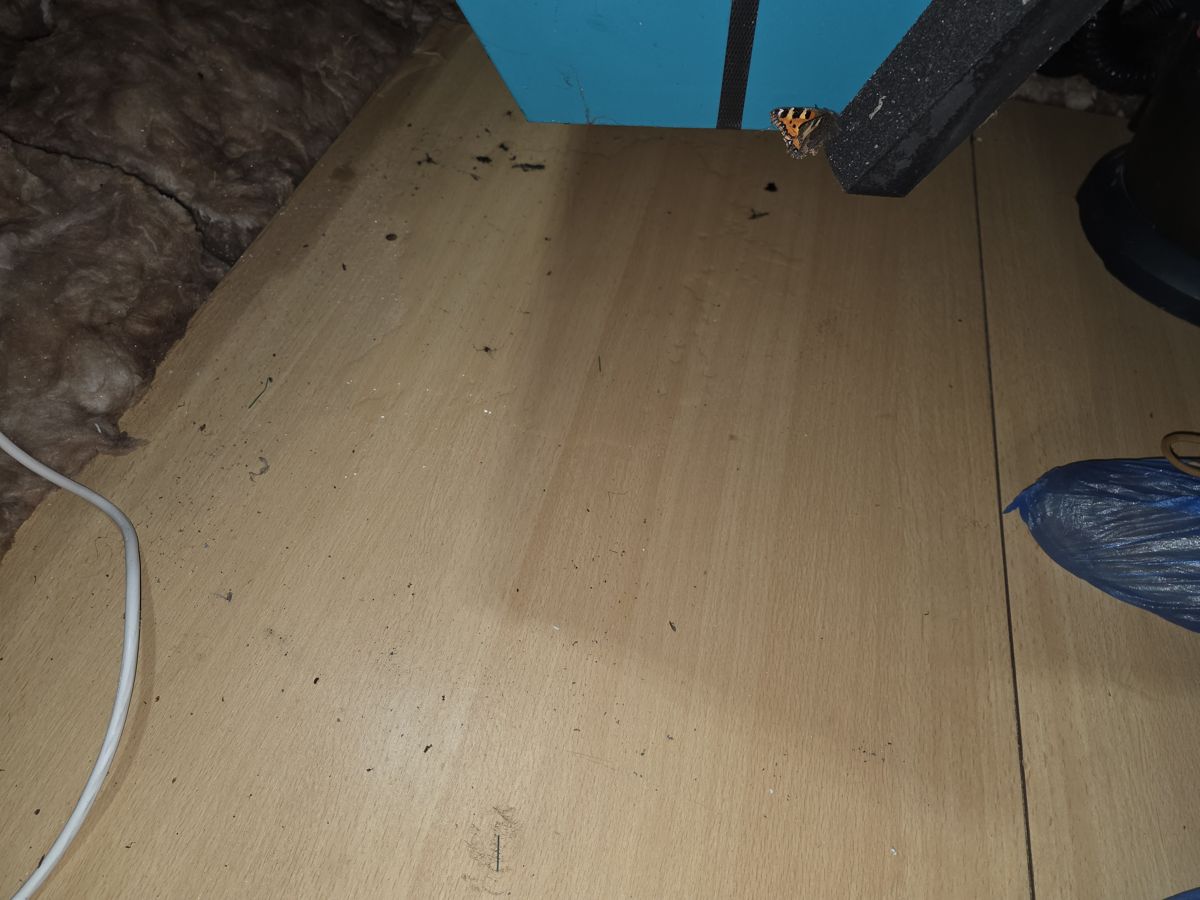
Dust and fluff build up on the bottom edge of the exchanger, right where the condensate has to drain. The water backs up inside the unit instead of running out.
Photos below, a service visit in Co. Westmeath.
2
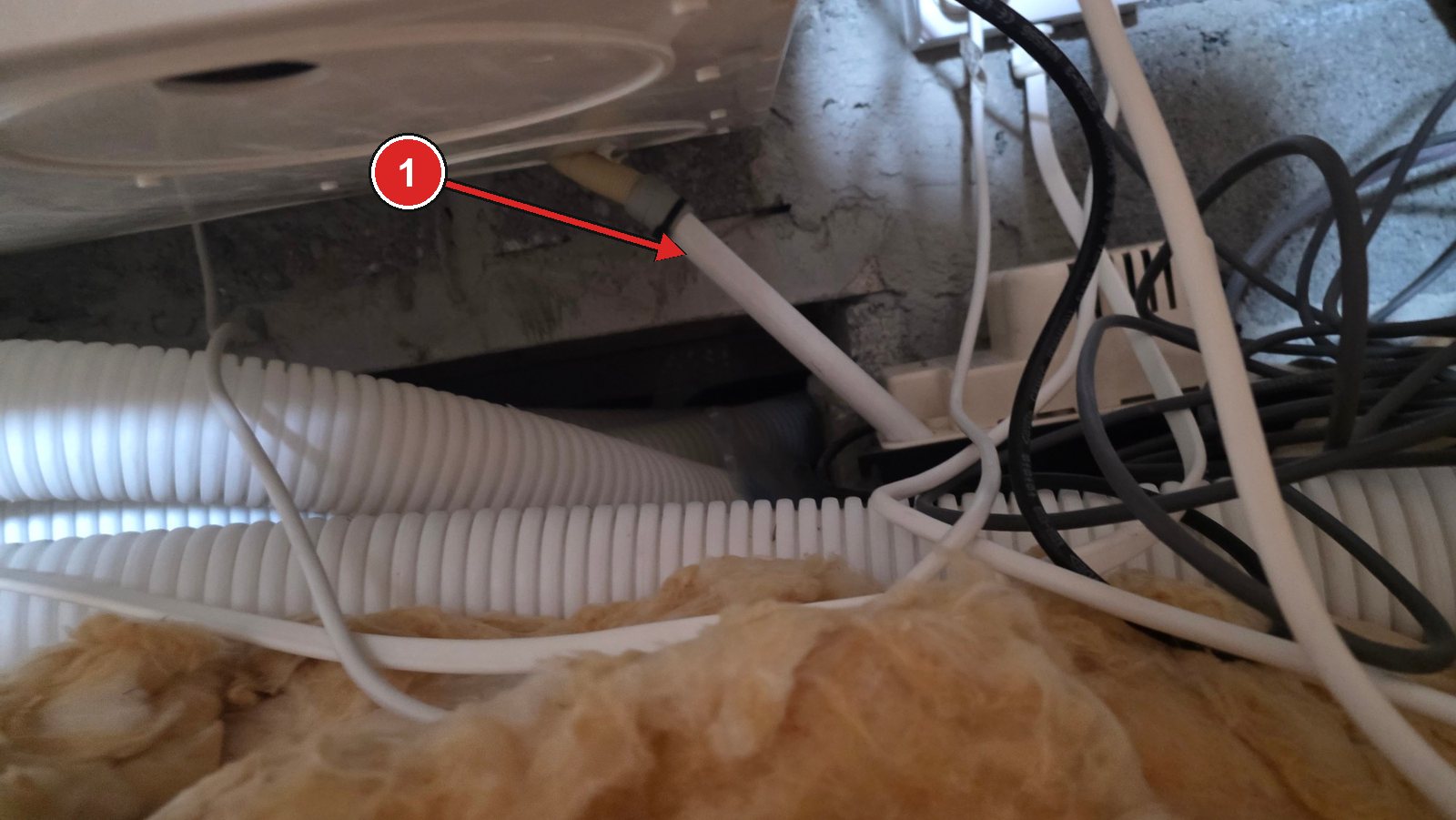
Piped into the waste with no trap
When the condensate goes into the waste system, the manufacturer requires a trap: a waterless one, or a conventional one with at least a 60 mm water seal. We find units piped straight into the waste with no trap at all. Where the condensate runs away separately, a unit without a trap drains, but it is not airtight through that open pipe and it performs worse.
3
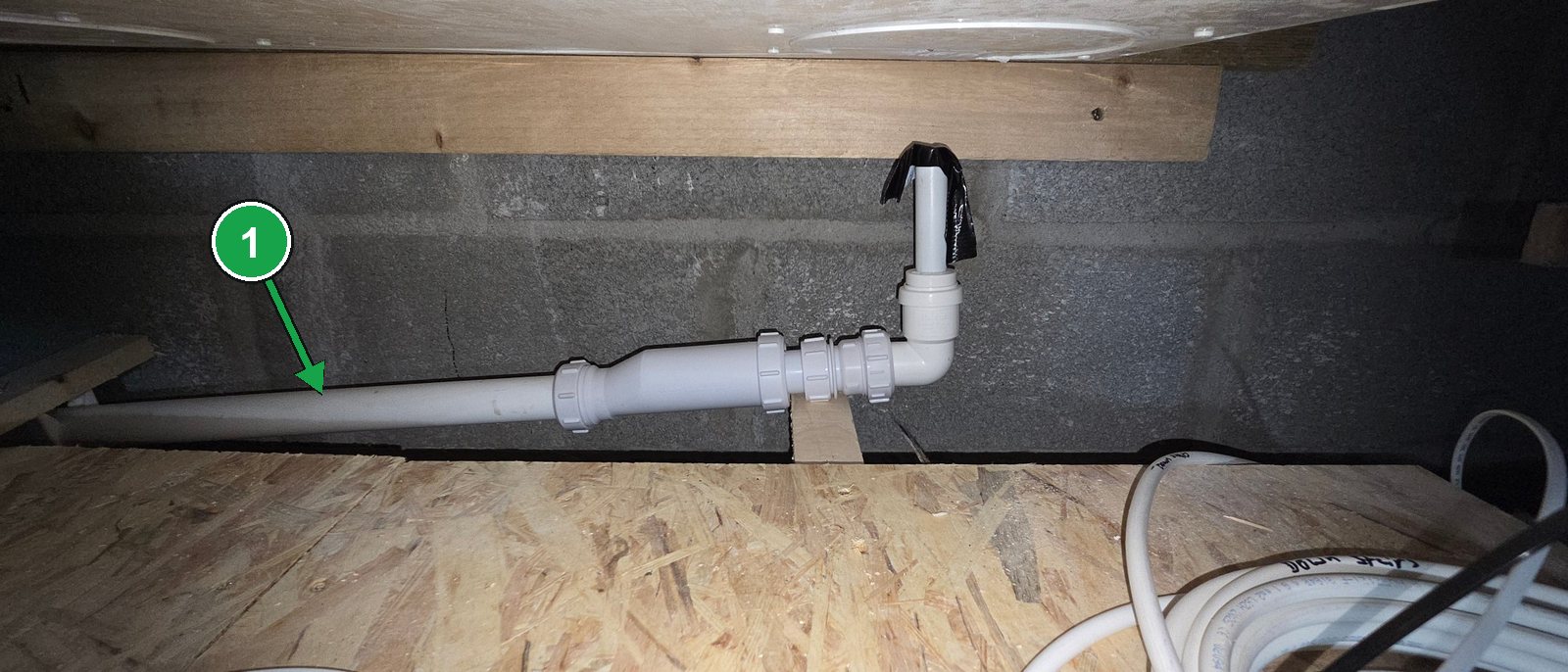
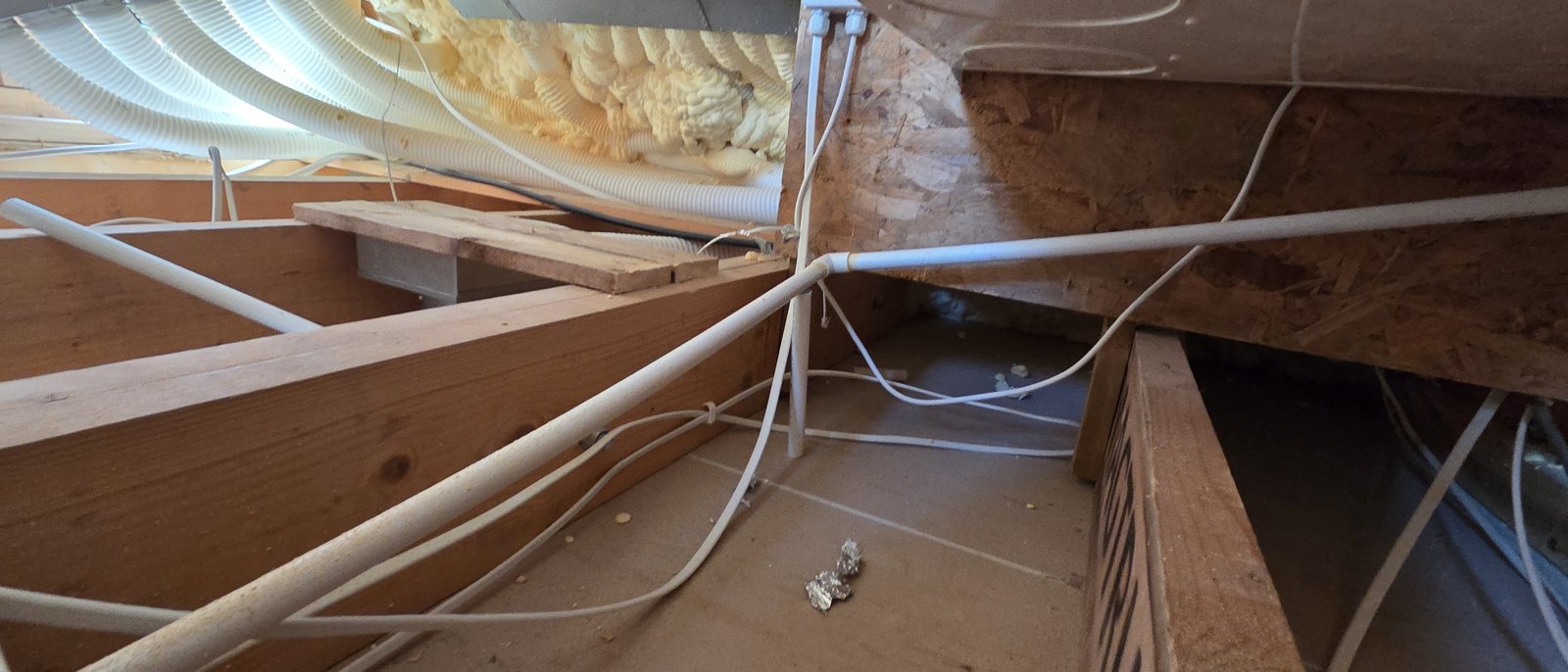
Pipe without a steady fall
A condensate pipe propped on offcuts or dipping between supports holds water, freezes, and overflows.
4
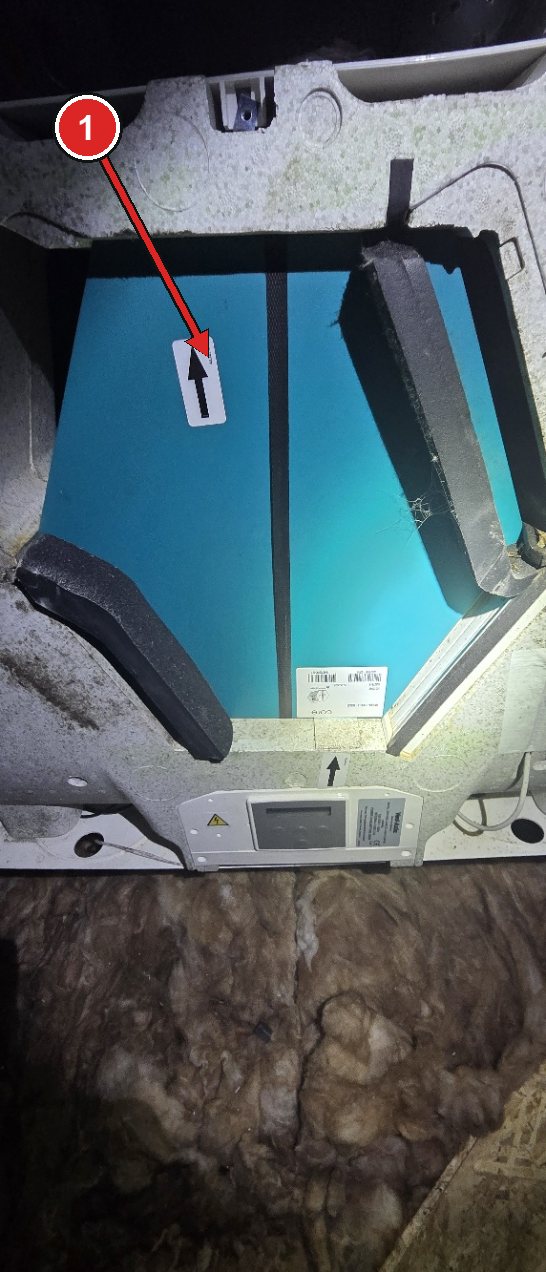
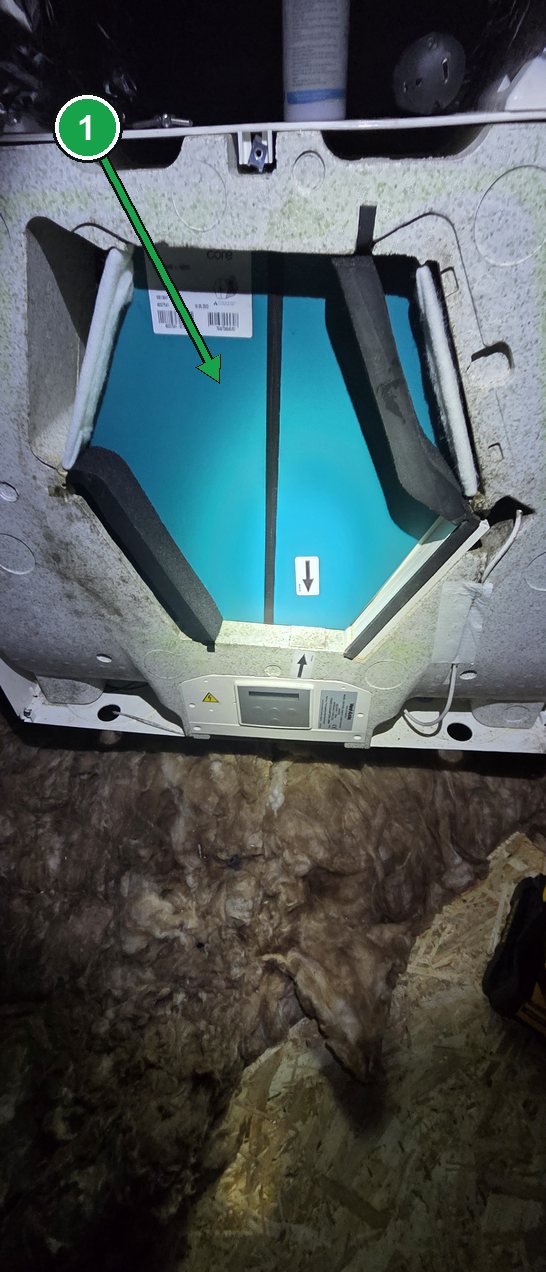
Heat exchanger fitted upside down
The exchanger only drains one way. Fitted the wrong way round, the condensate stays inside and rusts the unit.
5
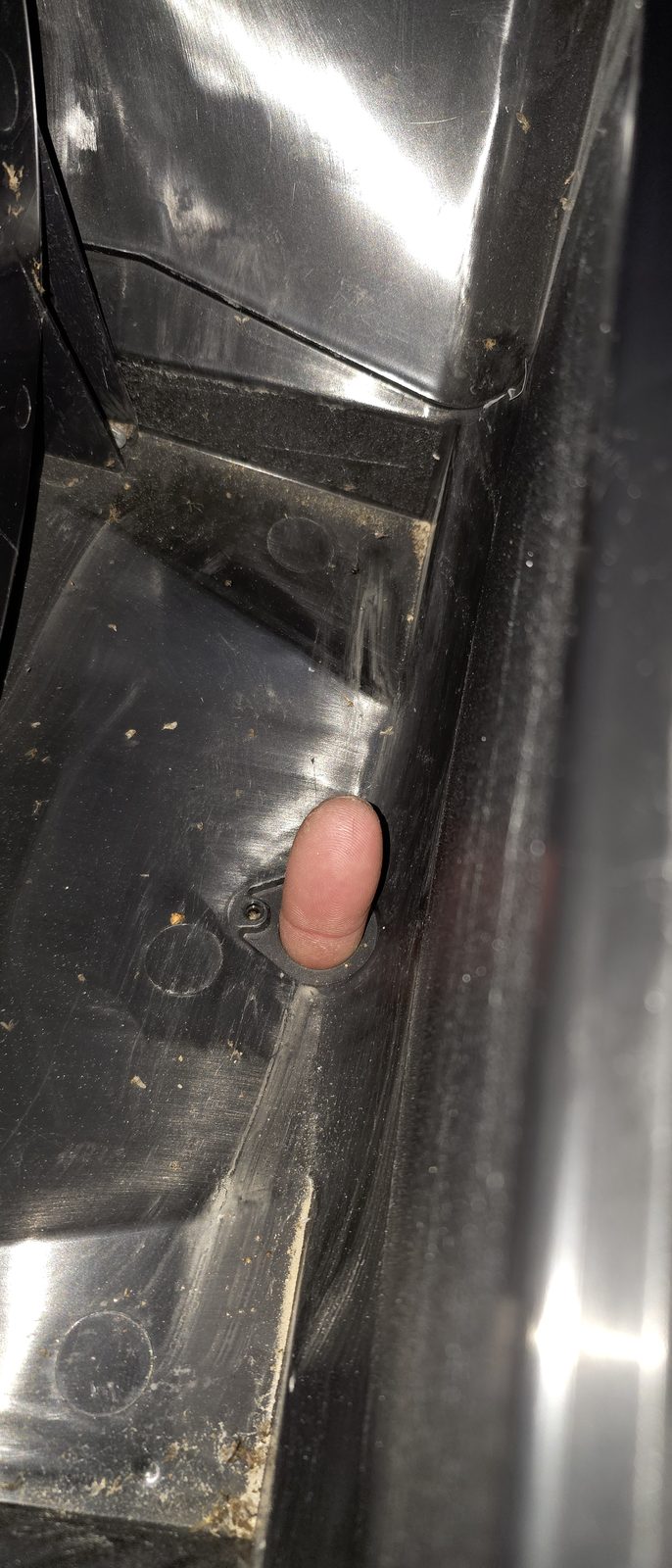
Unused outlet left open
Most units have two condensate outlets. The unused one needs a plug, or the water runs straight out of the casing.
6
Rarely, the unit itself
A small number of units develop a leak from the casing after some time. A service does not fix that; it is a warranty case with the manufacturer, who will ask who installed the unit, whether it is installed correctly and whether it is level. We tell you when we think that is what you have, instead of selling you a service that will not help.
What keeps a unit dry
Besides a full service on schedule, four things on the install decide whether the condensate gets out:
- The unit is level. A unit that leans holds water in the wrong corner of the tray.
- The condensate drain is on the correct side. Units come as left-hand and right-hand versions; the drain goes on the left for a left-hand unit and on the right for a right-hand one.
- The waste pipe falls at least 3 degrees all the way, with no dips between supports. That minimum is in the manufacturer’s installation manual.
- The condensate outlet is inspected on every service to make sure it is not blocked.
What a blocked heat exchanger looks like
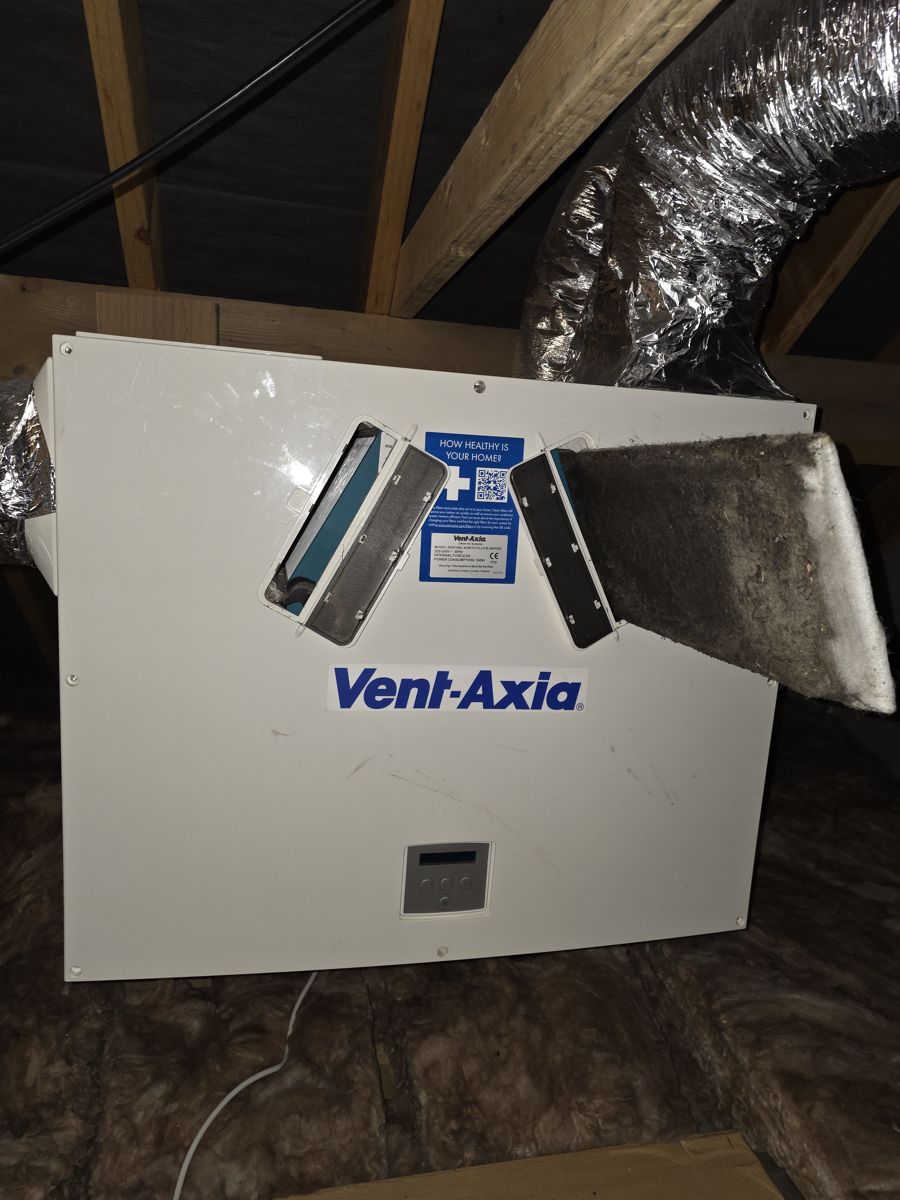
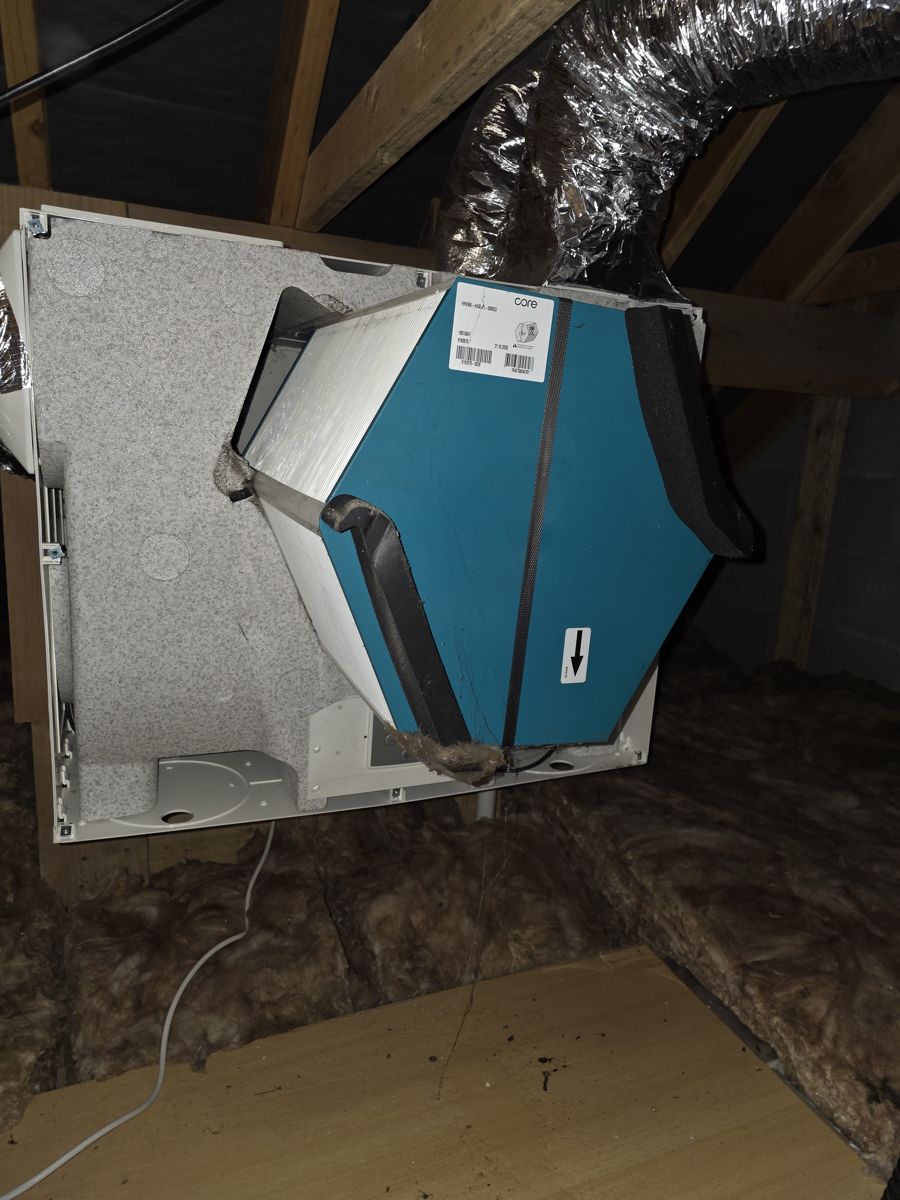
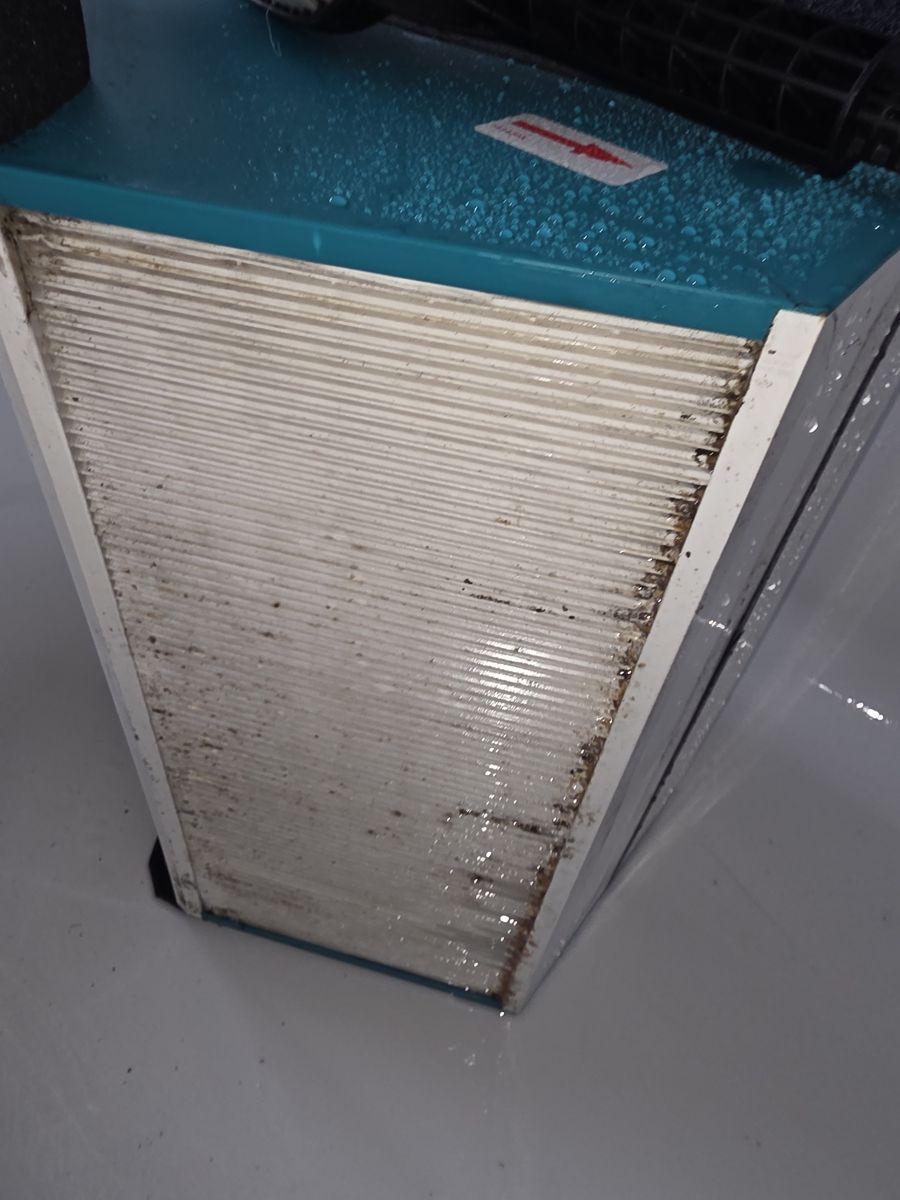
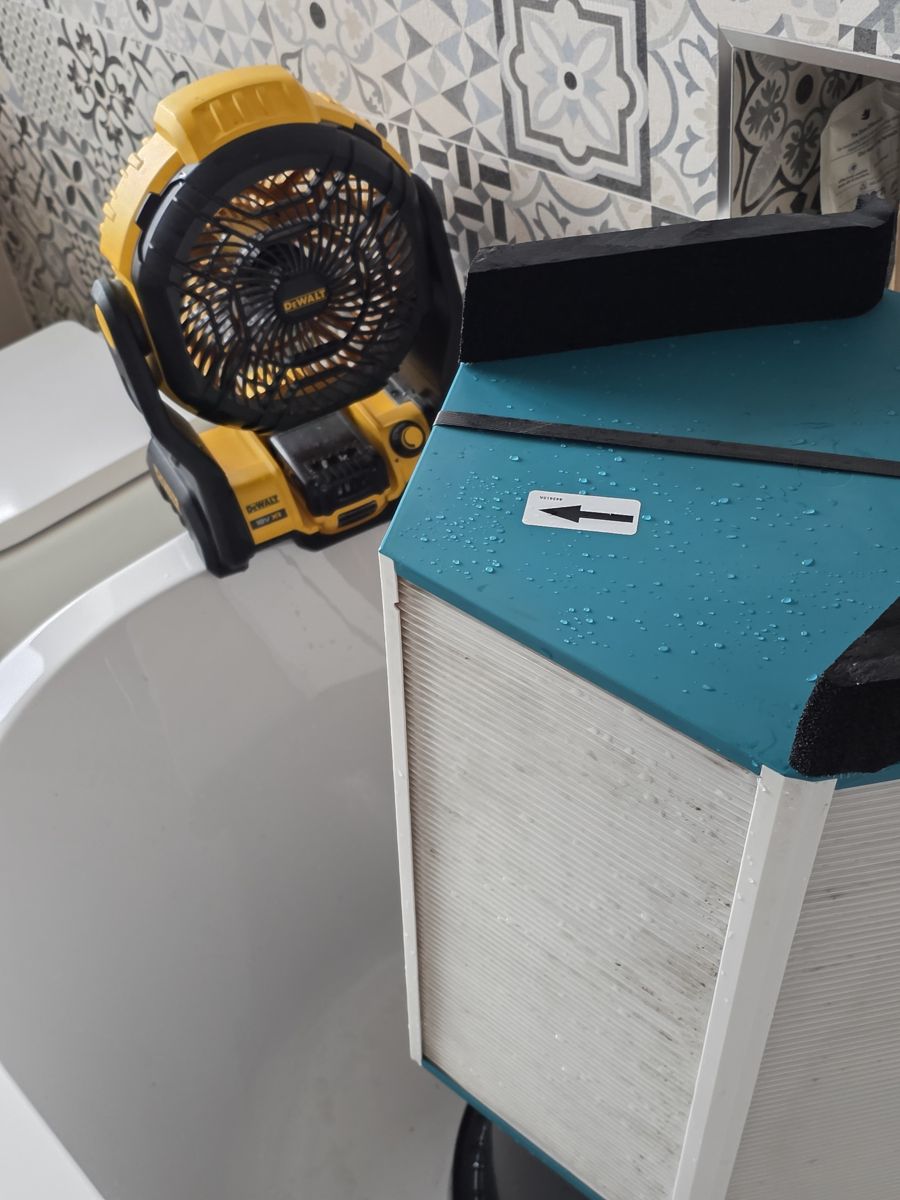
Washing the heat exchanger is in the manual
This is not our invention. Vent-Axia’s Sentinel Kinetic installation manual lists the heat exchanger cell under maintenance, step by step: remove the cover, take out the filters, slide the cell out, then:
“Wash the outer cover and heat exchanger in warm water using a mild detergent”
(Vent-Axia, Sentinel Kinetic manual, p. 41)
The same manual’s periodic maintenance list also covers the motors, the condensate drain and the fastenings. A filter change on its own is not a service.
Leaking right now?
Do not open the unit or touch the pipework. Send us a photo of the unit’s label and a short video of the leak on WhatsApp 083 427 5659, with answers to five questions: how old is the unit, which winter is this for it, has it leaked before, was the heat exchanger washed at the last service, is this the first winter with the problem. From that we tell you whether it is a service, an install fix or a warranty case, before anyone drives out.
A question we got this week
“There seems to be a lot of water inside the unit and dripping out from the unit itself, I noticed a wet patch in the ceiling. Only changed the filters recently but they were meant to be changed a long time before. It was serviced about a year and a half to two years ago. Would it be a service it needs?”
Water inside is normal in winter. Dripping out is not. Filters changed late let dirt through to the heat exchanger; if the last service did not wash the exchanger, that is the first suspect. If the unit has leaked before and the drain and exchanger are clean, it may be the unit itself, and that is a warranty case, not a service.
Not leaking yet? Book the service before it does
MVHR full service
€280
incl. VAT, filters, heat exchanger washed, drain checked
Three or more homes together
€230
per home, incl. VAT
Repair after a leak
quoted
from your photos, before the visit
Questions people ask
Is water from an MVHR unit normal?
Condensate is normal and the unit is built to drain it. Water outside the unit or on the ceiling is not normal and means the drain path is blocked or badly fitted.
Can I just change the filters?
Filters stop dust reaching the exchanger, so change them yearly, or every six months in a dusty or urban spot. They do nothing for fluff that is already on the exchanger or in the drain.
How often should an MVHR unit be serviced?
Most manufacturers say every two years, with filters changed in between. It depends on the maker and on where the house is.
Will a service stop condensation on my windows?
No. Window condensation depends on the glass and the room humidity. A service keeps the unit moving the air it was designed to move; it does not change the glass.